Food & Health Security
Across Cuba, families are facing a deepening humanitarian crisis. Frequent power disruptions have created new challenges for families and local organizations alike. Without reliable electricity, food often spoils before it can be consumed or distributed, while transportation shortages make it harder for people to get to work, access healthcare, and maintain their livelihoods. These challenges have placed additional pressure on those already struggling to meet their daily needs.
Despite these obstacles, local organizations and community leaders continue to care for their communities. They are organizing food distribution efforts, supporting vulnerable neighbors, providing access to medicines, and finding creative ways to strengthen local resilience. One Shared Future partners with these trusted community leaders by providing resources that help expand their impact and support locally driven solutions for food and health security.
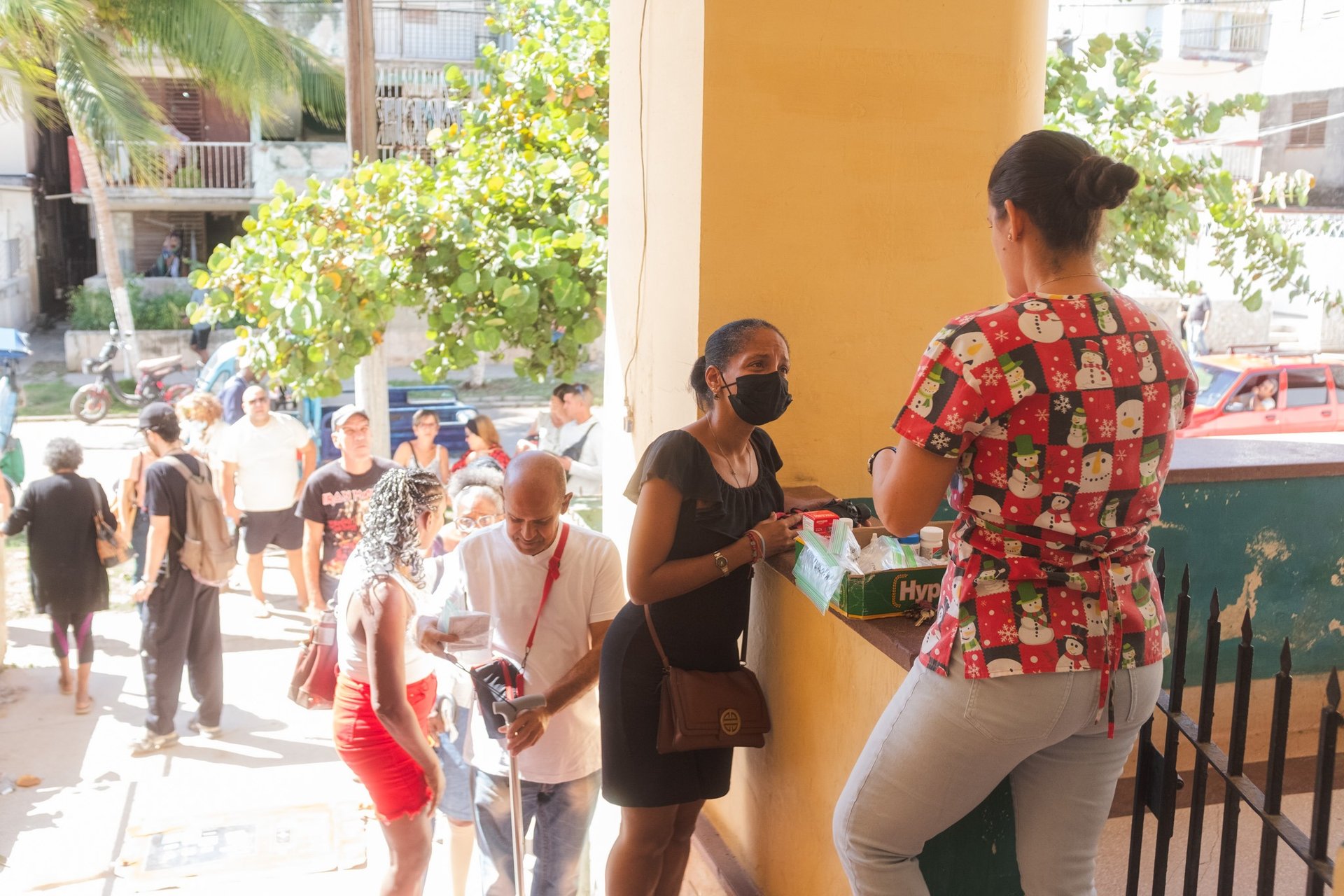
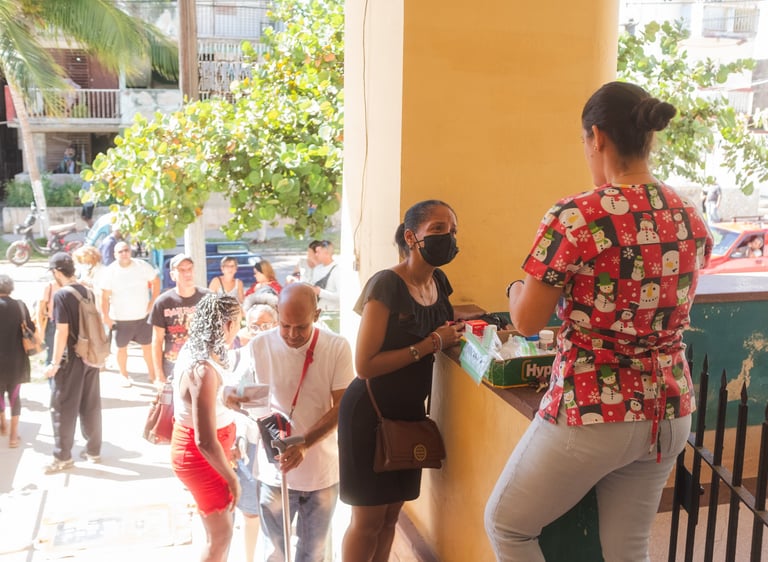
Laura, a dedicated dentist in Havana, has transformed her home into a community hub for Medicine Is Not Sold, a grassroots initiative founded by Dr. Yashar Keramati while he was a medical student in Havana. Through a network of WhatsApp groups, the program redistributes donated medicines to people in need, supports local hospitals and polyclinics with medical supplies, and extends its reach to communities in Guantánamo—expanding access to essential healthcare through community-driven action.
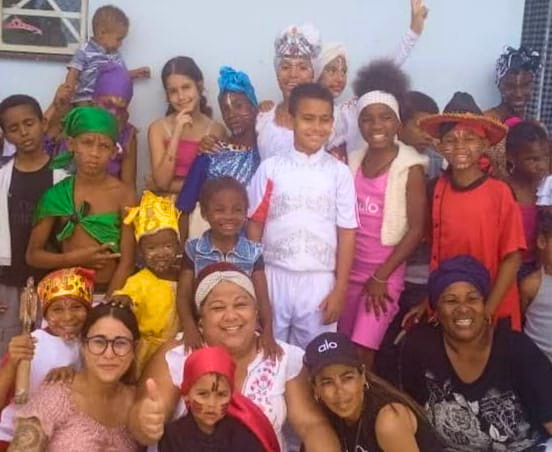
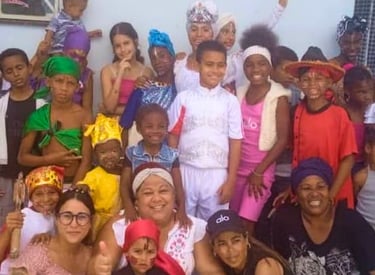
La Casita del Husillo is a community-led organization serving El Husillo, a neighborhood in Havana facing significant social and economic challenges. Co-founded by Thais, a lifelong resident whose family has lived in the community for more than 100 years, the organization supports local families through education, violence prevention, sexual health programs, counselling, cultural activities, sports, and mentorship. La Casita also strengthens community wellbeing by operating a soup kitchen, supporting schools and health services, providing essential supplies, creating opportunities for single mothers, and celebrating Afro-Cuban culture through arts and dance.
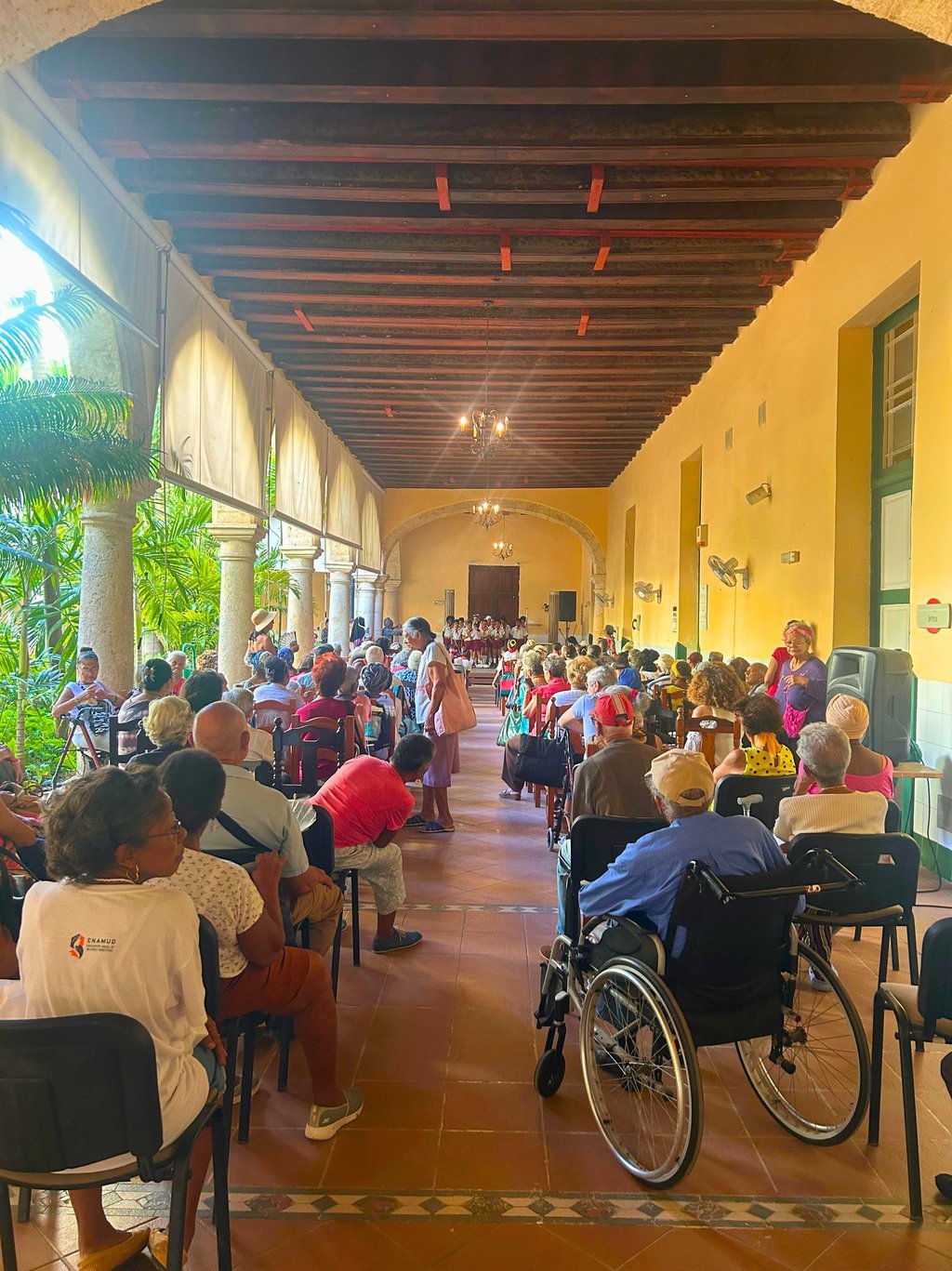
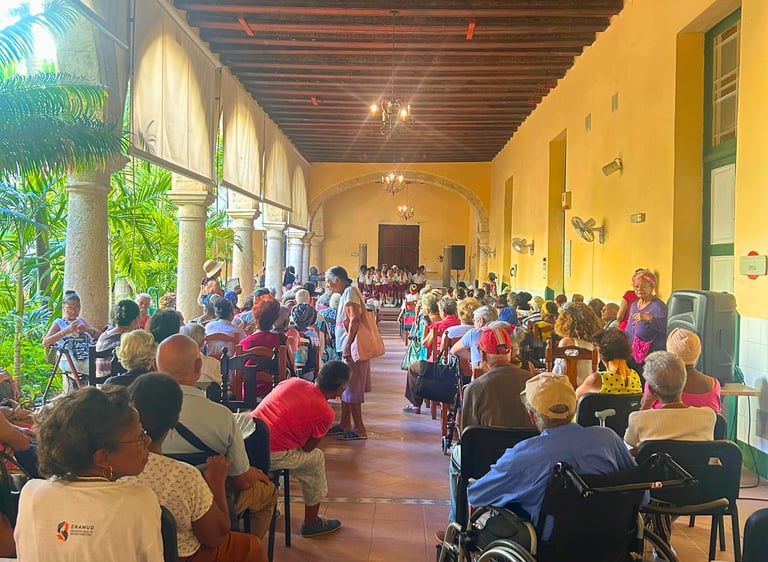
The Humanitarian Services Unit at the Convent of Belén supports older adults, children, and individuals living with disabilities through a wide range of community-based programs focused on dignity, care, and connection. Serving more than 500 seniors, the unit provides recreational activities, free meals, healthcare services, donated medicines and eyeglasses when available, and essential support for families in need. Despite limited resources, the dedicated team continues to strengthen the community through initiatives such as a meal program, laundry services, a primary school, and a shared garden that brings generations together.
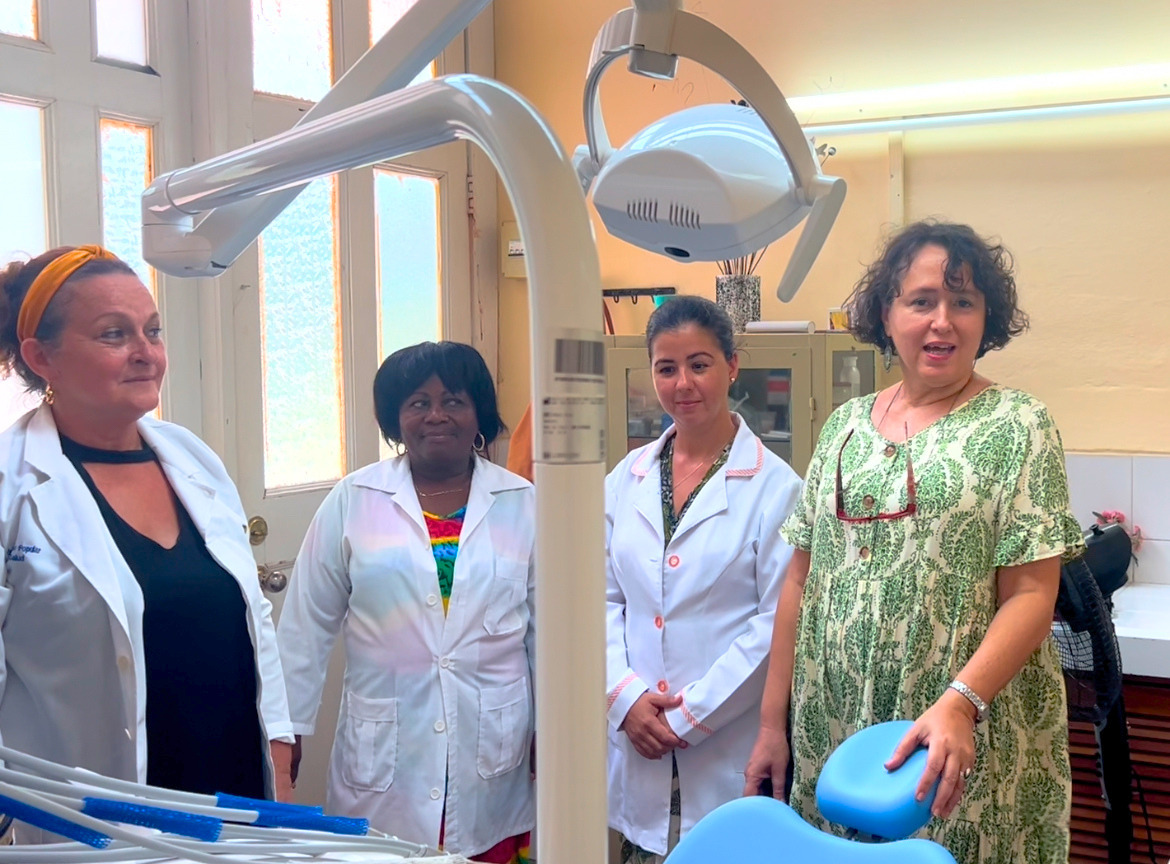
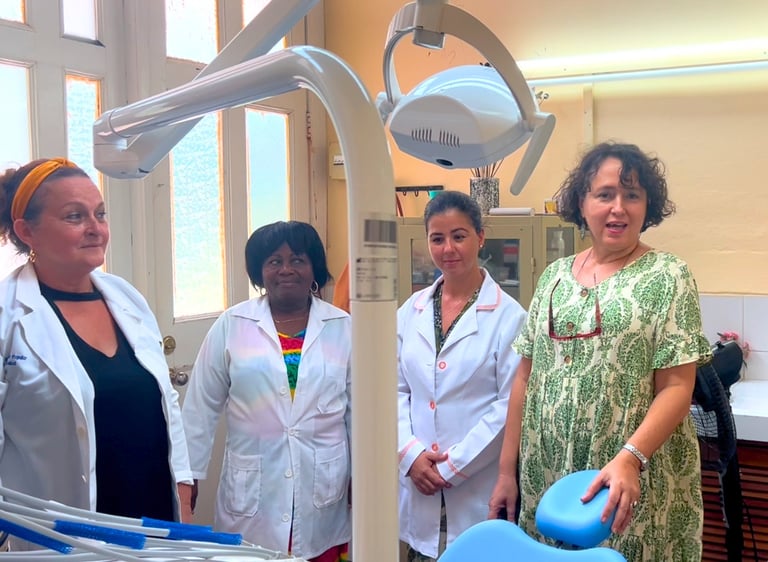
Casa de Abuelos Especial "Santiago Ramón y Cajal" is led by an exceptional team of women—including its director, physician, dentist, and ophthalmologist—who are dedicated to caring for Havana’s older adults despite facing significant resource challenges. With limited access to essential supplies, equipment, and funding, these highly trained professionals work tirelessly to provide free meals, healthcare, physiotherapy, and social support to some of the city’s most vulnerable seniors. Their commitment reflects the resilience of Cuba’s healthcare workers and their determination to serve their community, even when they lack the resources needed to fully meet the growing needs around them.
Co-founders Thais and Yanisley (front left) with program participants
Watch a short reel about the widespread impact of the Medicine is Not Sold project
Take a 360 tour of the Casa de Abuelos Especial "Santiago Ramón y Cajal" in La Habana Vieja
Laura distributing medicine from the steps of her apartment in Vedado
The primary school children perform for the older adults at the Convent of Belén
A few of the talented team of health-care providers at the Centre
Registered Canadian Nonprofit Corporation 16612059
© 2026 All rights reserved